How to Prepare for Driving in Winter in New Zealand
Winter driving in New Zealand can involve black ice, snow and rapidly changing weather, especially around mountain passes and ski access roads, so you need to adjust your speed, carry chains where required and check NZTA road and weather updates before every drive. With sensible preparation and a few habits from local RaD teams in Auckland Airport, Taupō, Rotorua, Christchurch, Queenstown, Dunedin, Invercargill and Te Anau, rental cars in snow can be safe, comfortable and a great way to enjoy quieter roads and winter scenery.
What makes winter driving NZ different?
New Zealand’s winter weather varies a lot between regions and can change quickly; even on the same day you might drive through clear sun, heavy rain, fog, sleet and snow. NZTA notes that you must be prepared for frost, ice and snow on many state highways during winter, especially in the central North Island and South Island alpine regions.
This means two big mindset shifts for visitors:
- You drive to the conditions, not the speed limit, and expect delays from road closures and chain controls.
- You plan each day around the safest part of the day, usually late morning to mid-afternoon when ice has had time to melt, and visibility is better.
RaD Auckland Airport tip: If you land in Auckland and plan to fly south for skiing or a winter road trip, use your first driving day in the upper North Island as a “practice run” in easier conditions so you can get used to the car and road rules before hitting snow-prone areas.
Snow chains, passes and when they actually matter

Where chains are likely to be needed
Guides on winter driving NZ and Queenstown specifically point out that snow chains are most relevant on:
- Mountain passes like Crown Range Road between Queenstown and Wānaka.
- Ski field access roads such as Coronet Peak and The Remarkables.
- South Island alpine highways and passes such as Lindis Pass, Arthur’s Pass, Lewis Pass, Porters Pass and the road to Milford Sound.
Some routes, including the Milford Road in winter, require you by law to carry chains and to fit them when instructed by road signs. Ignoring a “chains must be fitted” sign risks fines and can void insurance.
RaD Queenstown tip: Local staff in Queenstown strongly recommend always carrying chains in winter if you plan to drive the Crown Range, ski access roads or Milford Road, even if forecasts look fine at breakfast. Weather can deteriorate during the day, and not having chains may mean you are turned back or forced into a long detour.

When to fit snow chains (and when not to)
Snow chains are invaluable, especially if you are planning a ski holiday in New Zealand in the winter. It is important to understand the road conditions where snow chains are necessary and those where they are not needed:
- Chains should be fitted when there is a visible layer of compacted snow or ice on the road, or when authorities instruct you via signs or winter reports.
- Do not drive on bare, dry tarmac with chains fitted; this can damage the chains, the road and your vehicle and make braking less predictable.
- Keep your speed low with chains on, typically below 40 km/h, and brake, corner and accelerate gently.
RaD Christchurch tip: When you pick up a car in Christchurch and mention winter driving NZ or ski plans, staff can walk you through how to fit chains and suggest you practice in the car park on a dry day; that way you are not learning in a blizzard on the side of Arthur’s Pass.
General winter driving habits that make a big difference
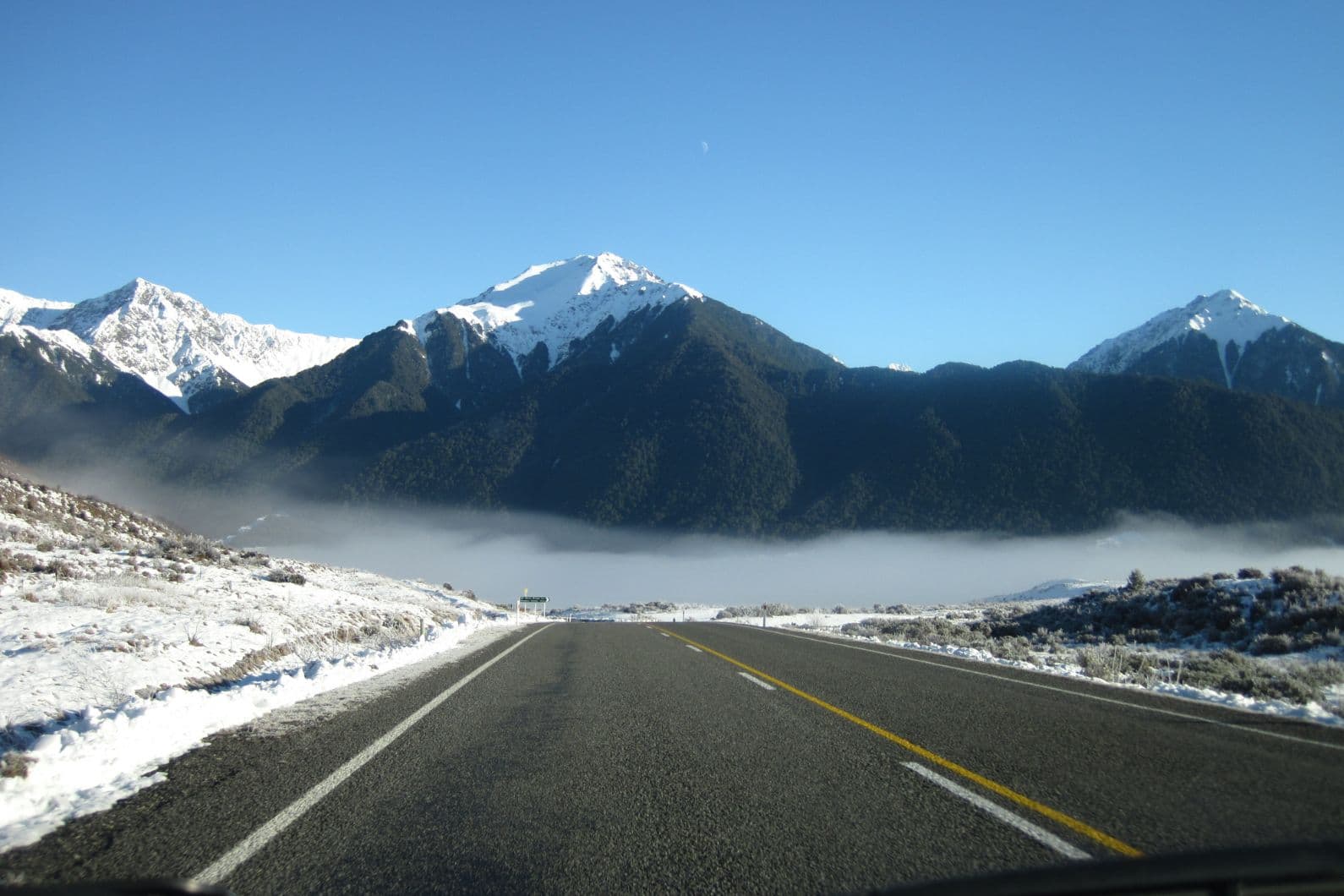
NZTA and motoring organisations like the MTA emphasise a handful of core techniques for winter driving.
- Slow down: On icy or snowy roads you should travel significantly slower than the limit to reduce the risk of skidding or losing control.
- Increase following distance: It takes longer to stop on slippery surfaces, so increase your following distance from the usual 2–4 seconds to at least 6 seconds.
- Avoid sudden inputs: Do not brake, steer or accelerate suddenly; brake gently and progressively and keep steering smooth to maintain traction.
- Beware black ice: Black ice is a thin, hard-to-see layer often forming after cold, clear nights. The MTA advises treating shaded corners, bridges and high points with extra caution and assuming they may be icy.
- Use lights correctly: In snow, use dipped headlights and fog lights if fitted, not full beam, to reduce glare and improve visibility.
RaD Taupō tip: Around Taupō and the Desert Road, staff recommend leaving later in the morning in winter if you can. Frosts are more likely before 9–10am and road crews often need time to grit or treat key sections. A mid-morning departure can be safer and less stressful.
Planning each winter day – weather, roads and timing
Check conditions before you drive
Safety agencies and local winter driving guides recommend checking several sources before setting off:
- NZTA Journey Planner for live highway closures, delays and warnings.
- MetService forecasts and webcams, especially for specific passes like the Crown Range or alpine highways.
- Local winter road reports such as Queenstown Lakes District Council’s daily winter report for Crown Range and ski roads.
RaD Rotorua tip: Even if you are mostly in the central North Island, Rotorua staff encourage checking conditions at breakfast, especially if you are heading toward Taupō, the Desert Road or the Central Plateau. Snow closures there can affect your whole day’s plan.

Travel in the safest part of the day
NZTA suggests aiming to drive in the middle of the day when visibility is best and frost and ice are more likely to have melted. This is especially important for:
- Shaded valleys and passes where ice lingers.
- Rural areas with limited cell coverage or services, where you do not want to be stranded after dark.
RaD Te Anau tip: On the Milford Road, Te Anau staff often tell winter visitors to treat it as a full day outing with a mid-morning departure and mid-afternoon return. That way, you hit the steepest and shadiest sections in daylight and have buffer time if snow or minor slips slow things down.
Specific notes for driving in Queenstown and the lower South Island
Queenstown and surrounding roads
Guides on driving in Queenstown and local winter reports highlight a few key routes:
- Crown Range Road: One of New Zealand’s highest main roads and often requiring chains in winter. Steep, exposed and prone to snow and ice.
- Coronet Peak and The Remarkables access roads: Short but steep mountain roads that can be very slippery. Chains are frequently required after snowfall.
- Queenstown to Glenorchy: A scenic lakeside drive with less elevation and generally fewer icy risks than alpine passes, though you still need to watch for frost in shaded sections.
RaD Queenstown tip: Staff in Queenstown often suggest first time winter drivers skip the Crown Range if conditions are marginal and instead use the lower route via Cromwell to Wānaka. You still get great views without the same exposure. For ski trips, consider ski buses for at least one day to take the pressure off if forecasts are poor.

Dunedin, Invercargill and Southland
Dunedin and Invercargill see frosts and occasional snow, but the biggest hazards are black ice on shaded rural roads and strong crosswinds on exposed coastal stretches.
RaD Dunedin tip: Local staff in Dunedin recommend treating the motorway north and hill suburbs with extra caution after clear winter nights. If you see grit on the road, drive on it rather than in the tyre tracks to maximise its effect, as NZTA suggests.
RaD Invercargill tip: Southland roads can be very dark after sunset in winter. Plan long hauls like Invercargill–Te Anau or Invercargill–Dunedin for daylight hours where possible, and break them with short town stops for coffee and fuel rather than pushing through tired.
What to carry in the car in winter
NZTA’s winter driving advice includes carrying warm clothing, water and snacks in case you are delayed by closures or accidents, plus keeping at least half a tank of fuel for detours. Winter driving NZ guides add a few more useful items:
- Gloves and a waterproof layer for fitting chains.
- A torch, basic first aid kit and phone charger, especially where coverage is patchy.
- An ice scraper or plastic card to clear windows, and a microfibre cloth to deal with interior fog.
RaD Christchurch tip: The team suggests designating one bag as your “winter kit” – hats, gloves, spare socks, snacks and water – and keeping it in the cabin, not buried under luggage in the boot. That way, if you have to stop to fit chains or wait out a snow shower, you have everything to hand.
Balancing safety with actually enjoying your trip
Winter is one of the most rewarding times to visit New Zealand if you like snow on the mountains, clear night skies and fewer crowds at popular attractions. The key is to build flexibility into your plans:
- Have a plan B for each day in case a pass closes, or chain requirements feel beyond your comfort level.
- Mix shorter driving days with local activities like hot pools in Taupō or Tekapo, museums in Dunedin or Invercargill and winery lunches in Central Otago.
RaD Taupō & Rotorua tips: In the central North Island, staff often see winter visitors combining safer driving windows with geothermal stops – for example, a mid-morning drive from Rotorua to Taupō, lunch in town, then an afternoon soak in hot pools or a walk to Huka Falls instead of pushing on into the evening.
Conclusion
Driving in winter in New Zealand does not have to be scary. With the right information, a bit of extra gear and some local know-how, it becomes one of the most memorable ways to see the country’s mountains, lakes and fiords at their dramatic best.
If you slow down, check the forecast, respect chain signs and listen to advice from locals in places like Queenstown, Te Anau, Christchurch, Dunedin, Invercargill, Taupō and Rotorua, you will give yourself the best chance of a safe and spectacular trip.
When you are ready to plan your winter driving NZ adventure – whether that’s a ski week in Queenstown, a Milford Sound mission from Te Anau or a central North Island loop – rent with RaD Car Hire from one of 20+ branches nationwide. Our teams can help you choose the right vehicle, sort snow chains where needed and share up to the minute tips on road conditions, food stops and sights so you spend more time enjoying the snow and less time worrying about it.
FAQ – winter driving NZ and rental cars in snow
Do I really need snow chains for driving in Queenstown in winter?
Winter driving in Queenstown means being prepared. Chain requirements depend on road conditions and signage. Chains are often required on alpine routes like the Crown Range Road and ski field access roads, while town streets rarely need them. Authorities can make it mandatory to carry and fit chains on specific days, so you should have them available if you plan to drive passes or to the ski fields.
When should I put snow chains on my rental car?
Chains should be fitted when there is a clear layer of compacted snow or ice on the road, or when signs or officials instruct you to do so. You should not use chains on dry, bare tarmac because that can damage the chains and vehicle and reduce braking performance.
What are the most important driving technique changes in winter?
The NZTA recommend slowing down, increasing your following distance to around six seconds, avoiding sudden braking or steering, and being especially cautious of black ice on shaded corners, bridges and hill crests. Using dipped headlights in poor visibility and travelling in the middle of the day where possible also improves safety.
How do I check whether roads are open or if chains are required?
You can use the NZTA Journey Planner for live highway closures and warnings, local council winter road reports for alpine areas like Queenstown, and MetService forecasts and webcams for passes such as the Crown Range or alpine highways. Make sure you check these sources daily during winter trips, as conditions can change quickly.
What should I carry in the car for winter driving in New Zealand?
Here at RaD, we recommend carrying warm clothing, water, snacks and keeping at least half a tank of fuel in case you get stuck or need to detour. You might also want to add gloves and waterproofs for fitting chains, a torch, phone charger, basic first aid kit and, where coverage is patchy, offline maps. Having a dedicated “winter kit” bag makes it easy to grab everything quickly when conditions worsen.