North Island vs South Island NZ: Which Road Trip Suits You Best?
Choose the North Island if you want shorter drives, rich culture, geothermal landscapes, and warmer coastal stops. Choose the South Island if you want bigger scenery, alpine roads, fiords, glaciers, and a more dramatic self-drive adventure.
Introduction
If you’re deciding between a North Island road trip and a South Island road trip, the right answer depends on what kind of holiday you want. New Zealand is compact on a map, but it’s not a country where you can always treat distance as the only measure of travel time, especially once you factor in winding roads, one-lane bridges, alpine passes, and time spent stopping for views.
For travellers planning a 7 to 14-day NZ self-drive itinerary, this is the big choice that shapes everything else. Do you want geothermal valleys, surf beaches, Māori culture, and easier driving between major hubs, or do you want mountain passes, glaciers, empty horizons, and the kind of wilderness that makes every kilometre feel earned?
Quick verdict
Choose the North Island if you love rich Māori culture, geothermal wonders, warm beaches, and shorter driving distances between vibrant hubs. Choose the South Island if you’re chasing dramatic alpine scenery, glaciers, epic fiords, and open, winding roads perfect for vast wilderness exploration.
Driving realities

A lot of first-time visitors assume New Zealand is small enough to drive quickly from one highlight to the next. In practice, that’s where trip planning can go wrong. On many routes, a 100km drive can take closer to 1.5 to 2 hours once you allow for narrow roads, slower traffic, weather, and stopping for sightseeing.
That’s why good driving tips in New Zealand start with realism, not optimism. Waka Kotahi NZTA is the place to check for road rules, safety guidance, and live conditions, while the AA is useful for travel planning, route timing, and practical road advice.
RaD Christchurch Airport Team tip: “A lot of travellers look at the map and assume Christchurch to Queenstown is a quick run, but the real story is the stops, weather, and road type. If you’re on a tight schedule, plan fewer stops and choose your departure time carefully.”
A useful rule of thumb is this:
- North Island trips often feel more connected and hub-based.
- South Island trips often feel more scenic and distance-heavy.
- Both islands reward slower travel and fewer overnight hops.
If you’re squeezing too much into a short trip, your holiday can start to feel like a commute. That’s the biggest mistake people make when planning a New Zealand road trip guide.
RaD Auckland Airport Team tip: “North Island drives can look short on paper, but coastal roads and urban traffic can still add time. Leave room for lunch stops and photo pauses, especially if you’re heading out toward Coromandel or Northland.”
North Island travel style

The North Island is often the better fit if you like variety without huge driving days. You can move from Auckland to the Coromandel, then Rotorua, Taupō, Wellington, or the Bay of Islands without the same sense of long isolation that can come with a South Island loop.
For many travellers, the North Island also feels more versatile for mixed-interest groups. One person can enjoy beaches and cafés while another explores geothermal parks, glowworm caves, or Māori cultural experiences. It’s the island for travellers who want access to major centres plus plenty of side trips that fit into a 7-day plan.
Best for adventure seekers

If your idea of a holiday is active volcanoes, surf, and easier access between attractions, the North Island is a strong choice. Rotorua gives you geothermal energy and outdoor experiences, while the Coromandel and Northland bring beaches and coastal drives that feel relaxed rather than remote.
You can also make a North Island itinerary feel active without making it punishing. A good example is an Auckland base, a Coromandel road trip, then Rotorua and Taupō before looping back. It’s varied, but it does not require the same mountain-road confidence as parts of the South Island.
RaD Rotorua Team tip: “If you want the North Island to feel adventurous without making the driving stressful, Rotorua is a great base. You can pack geothermal parks, lake views, and a few active experiences into one loop without huge daily distances.”
Best for families
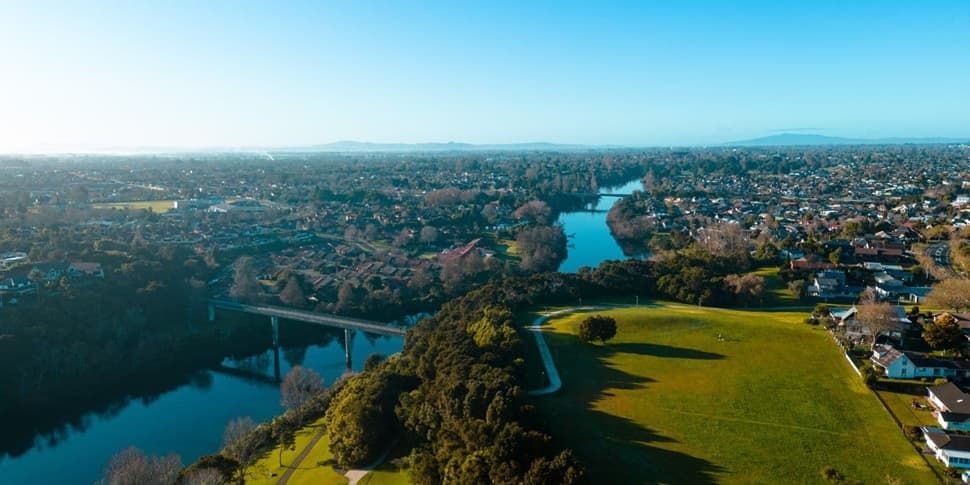
Families often like the North Island because the driving is more forgiving and the stops are spaced well for shorter days. You can break up the route with beaches, wildlife, attractions, and city facilities rather than relying on long stretches between major towns.
The big win is flexibility. If children are tired or weather changes, it’s usually easier to reset in the North Island because there are more urban hubs and more frequent services. That can matter a lot on a family road trip, especially if you’re travelling with younger children or grandparents.
RaD Hamilton Team tip: “Families often do better with a North Island itinerary because the driving is broken up nicely by cities and attractions. Hamilton works well as a base if you want a calmer night between bigger sightseeing days.”
Best for scenic variety
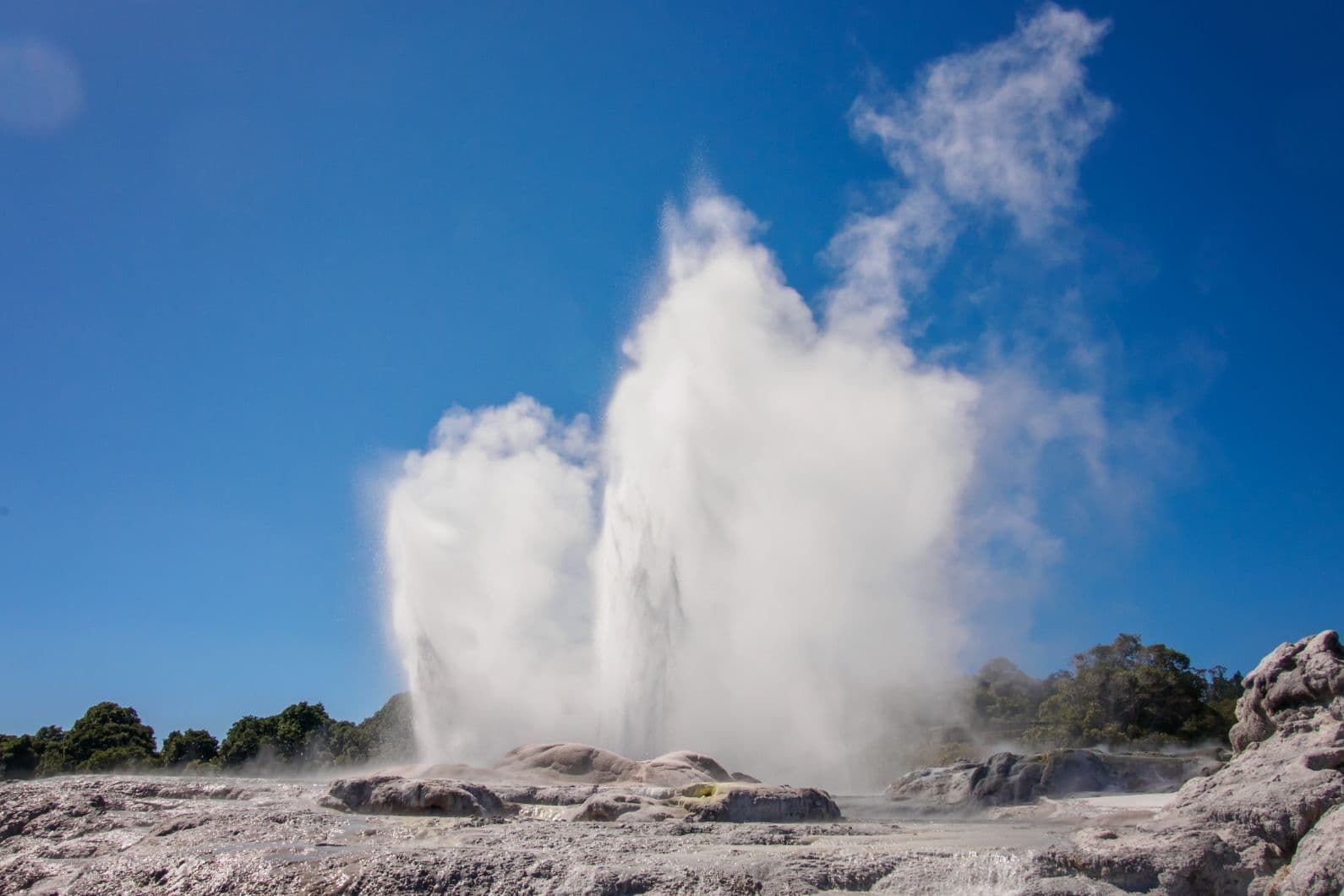
The North Island is not short on scenery, but its beauty is more lush and layered than alpine. You get rainforests, coastal viewpoints, volcanic landscapes, and geothermal valleys that feel very different from one another without needing huge distances in between.
If you like the idea of a route that combines beaches with culture and natural attractions, the North Island is hard to beat. It’s especially appealing for travellers who want a road trip that feels active but not overly demanding.
RaD Auckland Central Team tip: “If your priority is variety, the North Island gives you beaches, forests, volcanic landscapes, and city stops without needing to cover massive ground. It’s a great fit for travellers who want more experiences than driving hours.”
South Island travel style

The South Island is the classic choice for people who want the big New Zealand scenery they have seen in postcards and travel videos. This is where the Southern Alps, Milford Sound, Queenstown, and glacial landscapes really deliver a sense of scale.
It’s also the island that rewards confident drivers. Roads can be longer, quieter, and more exposed, which is brilliant for scenery but less forgiving if you’re rushing or tired. For that reason, many visitors find the South Island more rewarding on a 10 to 14-day plan, or longer if they want to include the West Coast or Fiordland.
Best for adventure seekers

If you want Queenstown bungee jumping, glacier hikes, alpine trekking, and open road drama, the South Island is usually the better match. The combination of Queenstown, Wanaka, Aoraki/Mount Cook, and Fiordland gives adventure travellers a much more concentrated hit of mountain scenery and outdoor activity.
This is also where a more capable vehicle can make a real difference. A spacious SUV or 4WD is often the best car rental option for visitors who expect alpine conditions, luggage, and a fair bit of long-distance touring.
RaD Queenstown Team tip: “The South Island is unbeatable for adventure, but the roads are part of the experience. If you’re heading into alpine country, give yourself more time than the sat nav suggests and choose a vehicle that feels confident on hills and in winter conditions.”
Best for families

Families who want open space, wildlife, and a sense of discovery often love the South Island too. You can build in stops like Oamaru for wildlife experiences, then move on to lakes, mountains, and quieter towns that feel spacious and calm compared with bigger North Island centres.
The trade-off is that you need to drive more carefully and plan ahead. If you’re travelling with children, it helps to keep the daily driving smaller and stay longer in each base. That gives you more energy for sightseeing and less time managing the car.
RaD Christchurch Team tip: “South Island family trips work best when you stay a little longer in each place. A bigger vehicle makes a huge difference if you are carrying luggage, snacks, and kids’ gear between Christchurch, Tekapo, and Queenstown.”
Best for scenic wilderness
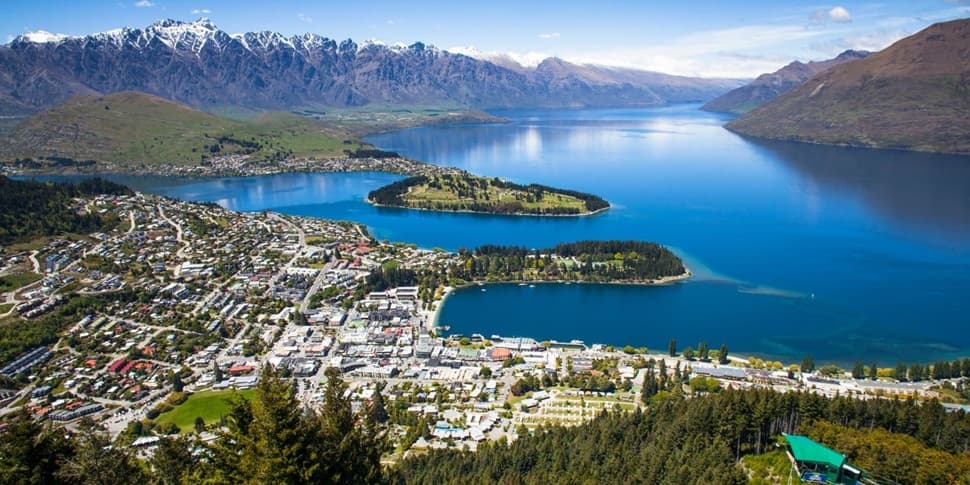
The South Island is the clear winner for dramatic wilderness. Fiords, glaciers, long valleys, and the snow-capped Southern Alps create a road trip that feels remote in the best possible way.
This is the island for travellers who want to photograph every bend, stop for every lookout, and build a holiday around the landscape itself. If that sounds like you, the South Island will probably feel like the stronger choice.
RaD Dunedin Team tip: “The South Island feels more remote in the best possible way, but that means planning matters. Fuel up early, keep an eye on weather updates, and treat each driving day as part of the trip, not just transit.”
Local RaD insights
RaD’s nationwide footprint matters here because the best trip is often the one that fits your arrival point and route, not just your wish list. Auckland, Rotorua, Wellington, Christchurch, and Queenstown all work differently as self-drive starting points, and local advice can save you time and stress.
RaD Car Hire Auckland Airport Team tip: “If you're landing in Auckland for a North Island loop, don't rush past the Coromandel. The roads are windy but the coastal views are unmatched. Grab an SUV for extra comfort on those hill climbs.”
RaD Car Hire Queenstown Team tip: “Winter driving down south requires respect. Alpine passes like the Crown Range can get icy fast. Always check if your rental provider supplies snow chains and know how to fit them before heading out.”
That local perspective is useful because New Zealand road trips are not only about distance. They are about terrain, weather, and whether your vehicle matches the kind of road you are actually driving.
Ferries and island links
If you want to do both islands, the Cook Strait ferry becomes part of the trip planning. The Interislander and Bluebridge ferry routes connect Wellington and Picton, and those sailings should be booked early, especially in peak holiday periods or if you need a specific vehicle arrangement.
There are two common ways to handle a multi-island trip:
- Take the ferry with a vehicle that is allowed under the rental policy.
- Swap vehicles in Wellington or Picton if the rental arrangement is more suitable that way.
The right choice depends on your itinerary, budget, and how much time you have. If you’re planning a one-way journey, make sure the rental terms and ferry conditions are clear before you commit.
RaD Picton Team tip: “If you’re linking both islands, book the ferry early and make your vehicle plan before you lock in accommodation. A smooth Wellington or Picton handover can save a lot of stress later in the trip.”
Weather and road conditions
The North Island generally offers milder, more forgiving driving conditions, although rain and coastal weather can still affect travel times. The South Island is more likely to challenge you with winter ice, alpine closures, strong winds, and longer stretches where services are sparse.
That does not mean the South Island is unsafe. It means it asks for better preparation. NZTA guidance and AA advice both reinforce the value of checking conditions, allowing extra time, and not underestimating mountain or rural roads.
If you’re travelling in winter, especially in the South Island, choose a vehicle that matches the season and build a flexible plan. A road trip gets much easier when you leave room for weather delays, photo stops, and the occasional slow detour.
RaD Queenstown Team tip: “Southern weather can change very quickly, especially in alpine areas. If the road looks marginal, wait it out, check conditions again, and do not let a tight itinerary push you into a risky drive.”
RaD Rotorua Team tip: “The North Island is generally milder, but heavy rain and fog can still slow you down. Even on easier roads, it pays to build in time and stay flexible.”
Vehicle choice by island
The island you choose should help determine the car you book. That is one of the easiest ways to make the trip smoother from day one.
For the North Island:
- Compact cars and hybrids are often the best fit.
- They work well for city-to-city loops and shorter distances.
- They are easier to park in Auckland, Rotorua, and Wellington.
RaD Auckland Airport Team tip: “For North Island loops, many travellers are happiest in a compact or hybrid because parking is easier and fuel use is lower. If you’re heading beyond the main centres, though, an SUV can be worth the upgrade.”
For the South Island:
- SUVs and 4WDs are often the safer and more comfortable choice.
- They suit mountain roads, larger luggage loads, and winter conditions.
- They provide more confidence on rugged or remote routes.
RaD Queenstown Team tip: “For the South Island, especially in winter, an SUV or 4WD gives you more confidence on alpine roads and more space for luggage. That extra comfort matters on longer days between major towns.”
If you’re travelling as a couple or solo, a compact vehicle can be perfect for either island if your route stays urban or moderate. If you’re travelling with a family, a larger vehicle can reduce stress dramatically, especially on longer drives.
Mini itineraries
North Island essential, 7 days
- Auckland.
- Coromandel.
- Rotorua.
- Taupō.
- Return to Auckland.
South Island southern loop, 7 days
- Christchurch.
- Lake Tekapo.
- Aoraki/Mount Cook.
- Queenstown.
- Wanaka.
- Return to Christchurch.
These are good starting points, not rigid rules. The best itinerary is the one that gives you enough time to enjoy the stops instead of rushing through them.
Choosing your island
If you want culture, beaches, geothermal activity, and a road trip that feels more compact, the North Island is probably your best fit. If you want fiords, glaciers, mountain drama, and a stronger wilderness feel, the South Island will likely be more satisfying.
For many travellers, the real answer is not that one island is better. It’s that one island is better for the way they want to travel. That’s why your route, your season, and your vehicle choice matter just as much as the destination list.
Ready to book
Ready to hit the highway? Whether you’re cruising the golden beaches of the North or navigating the alpine peaks of the South, RaD Car Hire has 20+ branches across New Zealand to get you moving. Explore our fuel-efficient fleet and book your independent Kiwi road trip today.
North Island vs South Island FAQs
Is it better to drive the North or South Island of New Zealand?
It depends on your interests. Choose the North Island for culture, beaches, geothermal areas, and shorter hops between hubs; choose the South Island for mountains, fiords, glaciers, and dramatic scenery.
How long do you need to road trip both islands?
A minimum of 14 to 21 days is ideal if you want to do both islands without severe driver fatigue. If you have less time, it is usually better to focus on one island properly.
Can I take my RaD rental car on the Cook Strait ferry?
That depends on the rental policy and your booking type. Some trips can go on the ferry, while others work better as a vehicle swap at Wellington or Picton, so confirm the arrangement when booking.
Are the roads harder to drive in the South Island?
Often, yes. The South Island has more mountain passes, winter ice, gravel sections, and remote stretches, so it typically demands more planning and caution than the North Island.